RASCASE 1.5MG VIAL
Product Description
🔹 Product Overview
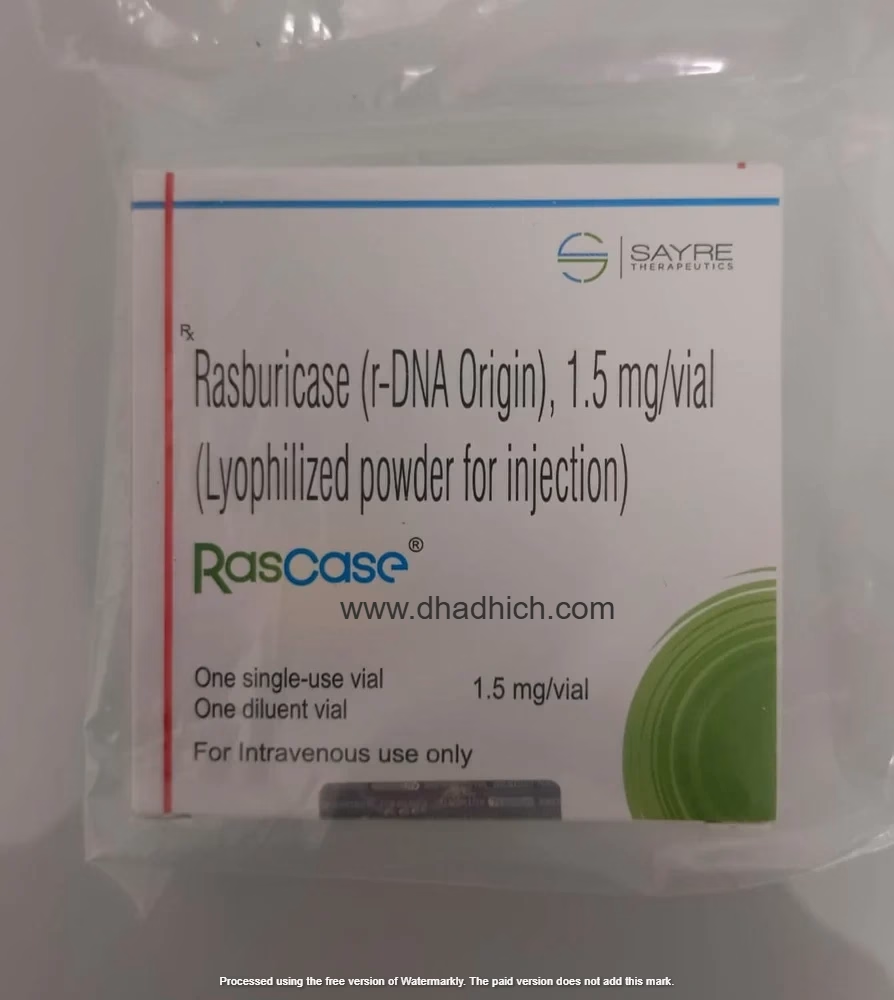
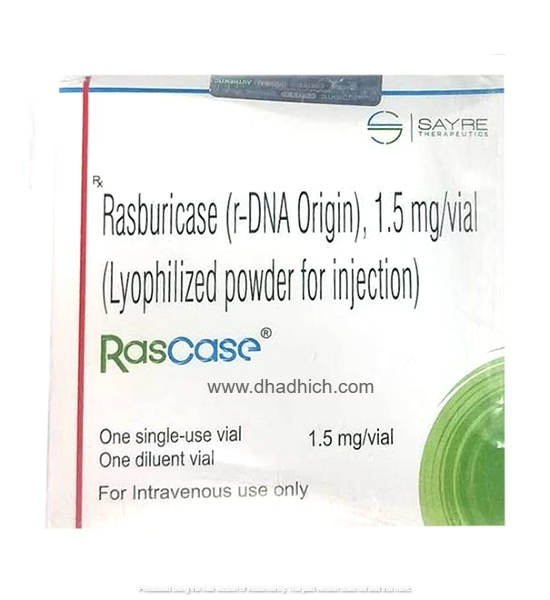
RasCase 1.5 mg Vial contains Rasburicase 1.5 mg, a recombinant urate oxidase enzyme used to rapidly reduce elevated uric acid levels associated with chemotherapy and to help prevent or manage tumor lysis syndrome.
Rasburicase converts uric acid into the more water-soluble compound allantoin, supporting its elimination from the body. It is administered by intravenous infusion under specialist medical supervision.
🔹 Composition
Active Ingredient: Rasburicase
Strength: 1.5 mg
Presentation: 1.5 mg/vial
Dosage Form: Lyophilized powder for injection
Route: Intravenous infusion
Therapeutic Class: Uricolytic agent / oncology supportive-care medicine
🔹 Uses And Indications
RasCase may be used for:
Prevention of chemotherapy-associated hyperuricemia
Treatment of elevated uric acid associated with chemotherapy
Prevention and management of tumor lysis syndrome
Rapid reduction of uric acid levels in patients at high risk of tumor lysis
Supportive management of selected patients with leukemia, lymphoma and other malignancies
The specific indication depends on the patient's malignancy, chemotherapy regimen and individual risk factors.
🔹 How It Works
Rasburicase is a recombinant urate oxidase enzyme that rapidly converts uric acid into allantoin, a more water-soluble metabolite. This facilitates the elimination of uric acid and helps prevent complications caused by excessive uric acid during rapid tumor-cell breakdown.
🔹 Key Benefits
Rapidly reduces elevated uric acid levels.
Used for prevention and treatment of chemotherapy-associated hyperuricemia.
Helps reduce uric-acid-related complications associated with tumor lysis syndrome.
Used as part of supportive-care protocols in high-risk oncology patients.
Available as a 1.5 mg/vial injectable presentation.
🔹 Dosage And Administration
RasCase 1.5 mg Vial must be administered only by qualified healthcare professionals.
The dosage and treatment duration are determined by the treating physician according to body weight, clinical condition, chemotherapy regimen and risk of tumor lysis syndrome. The medicine is administered by intravenous infusion following appropriate reconstitution and dilution. Laboratory monitoring of uric acid and other relevant parameters is required during treatment.
🔹 Possible Side Effects
Rasburicase may cause:
Nausea
Vomiting
Headache
Fever
Rash
Diarrhea
Hypersensitivity or allergic reactions
Infusion-related reactions
Changes in blood pressure
Rare but serious reactions may include hemolysis and methemoglobinemia, particularly in patients with G6PD deficiency.
🔹 Precautions And Warnings
Use only under specialist oncology supervision.
Contraindicated in patients with G6PD deficiency because of the risk of hemolysis and methemoglobinemia.
Patients should be monitored for hypersensitivity and infusion-related reactions.
Inform the doctor about previous drug allergies or blood disorders.
Uric acid blood samples require proper handling because rasburicase can continue breaking down uric acid after the sample is collected, potentially producing falsely low results.
Appropriate monitoring of blood counts, renal function, electrolytes and uric acid may be required.
Pregnancy and breastfeeding considerations should be discussed with the treating physician before treatment.
🔹 Storage
Store RasCase 1.5 mg Vial at 2°C–8°C in a refrigerator. Do not freeze. Protect from light and maintain appropriate cold-chain conditions during storage and transportation. Follow the manufacturer's labeled storage requirements.
Additional Information
- Category: ANTI-CANCER /ONCOLOGY MEDICINES
- Manufacturer: Sayre Therapeutics Pvt Ltd
- Packaging: Vial
- Composition: RASBURICASE (1.5MG)
- Storage: Store in a cool, dry place away from direct sunlight
- Shelf Life: As per manufacturer's guidelines
- Prescription Status: Over-the-Counter (OTC)
How to Use
Important: Always follow your healthcare provider's instructions when using this medication.
- Take this medicine as directed by your physician
- Do not exceed the recommended dosage
- Complete the full course of treatment even if symptoms improve
- Store the medication properly as per storage instructions
- Keep out of reach of children
- Check expiry date before use
Note: This is general guidance. For specific instructions, please consult your healthcare provider or refer to the package insert.
Related Products
ANTI-CANCER /ONCOLOGY MEDICINES
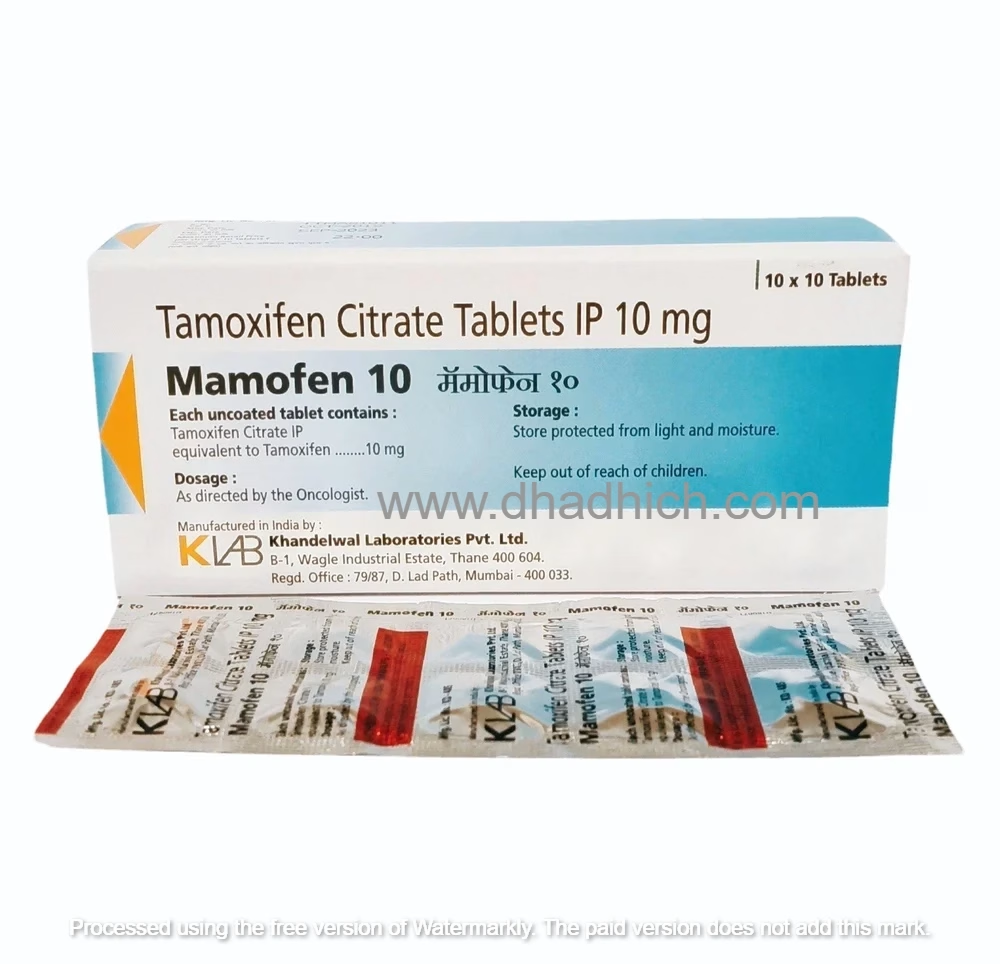
MAMOFEN 10MG TAB
KHANDELWAL LABORATORIES PVT LTD