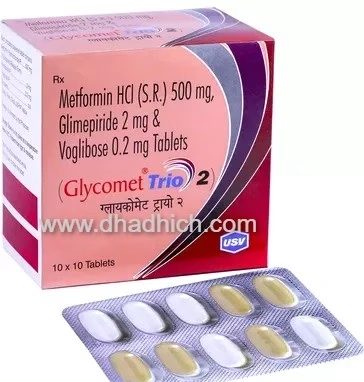
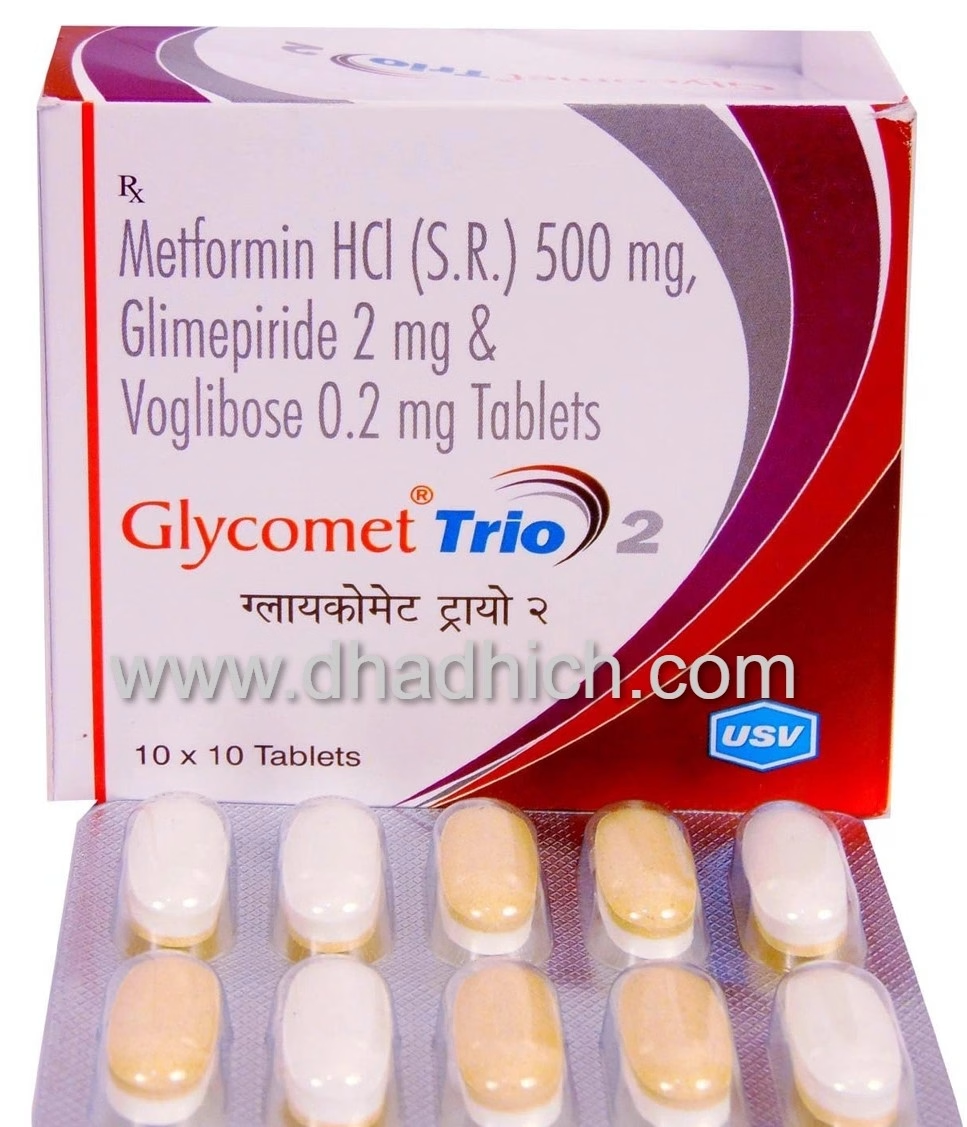
GLYCOMET TRIO 2
Product Description
🔹 Product Overview
GLYCOMET TRIO 2 Tablet is a antidiabetic medicine used for the management of Type 2 Diabetes Mellitus in adults when diet, exercise, or dual-drug therapy alone does not provide adequate blood sugar control. It is a combination of Glimepiride 2 mg, Metformin Hydrochloride 500 mg, and Voglibose 0.2 mg, which work through complementary mechanisms to help control fasting and post-meal blood glucose levels.
🔹 Key Uses
Treatment of Type 2 Diabetes Mellitus
Helps lower fasting and post-meal blood sugar levels
Improves overall glycemic control
Reduces the risk of diabetes-related complications when used alongside a healthy diet and regular exercise
Suitable for patients requiring triple-drug antidiabetic therapy
🔹 Composition
Glimepiride: 2 mg +Metformin Hydrochloride: 500 mg+ Voglibose: 0.2 mg
Drug Class: Sulfonylurea + Biguanide + Alpha-Glucosidase Inhibitor
Dosage Form: Oral Tablet
🔹 How It Works
GLYCOMET TRIO 2 combines three antidiabetic medicines that work together to control blood sugar:
Glimepiride stimulates the pancreas to release more insulin.
Metformin reduces glucose production in the liver and improves the bodys sensitivity to insulin.
Voglibose slows the digestion and absorption of carbohydrates, helping reduce blood sugar spikes after meals.
🔹 Key Benefits
Provides comprehensive blood sugar control
Helps reduce post-meal glucose spikes
Improves insulin sensitivity
Supports better HbA1c management
Convenient triple-combination therapy in a single tablet
May help reduce the risk of long-term diabetes complications when taken as prescribed
🔹 Dosage and Administration
Take exactly as prescribed by your doctor.
Swallow the tablet whole with a glass of water.
Take at the time recommended by your healthcare provider, often with or around meals to reduce stomach discomfort and improve blood sugar control.
Do not crush, chew, or break the tablet.
Do not stop taking the medicine without consulting your doctor.
🔹 Possible Side Effects
Common side effects may include:
Nausea
Diarrhea
Abdominal pain
Loss of appetite
Headache
Low blood sugar (hypoglycemia)
Dizziness
Seek immediate medical attention if you experience severe hypoglycemia, persistent vomiting, difficulty breathing, or symptoms of lactic acidosis.
🔹 Precautions
Use only under medical supervision.
Monitor blood glucose levels regularly.
Avoid excessive alcohol consumption, as it may increase the risk of hypoglycemia and lactic acidosis.
Inform your doctor if you have kidney disease, liver disease, heart disease, or a history of diabetic ketoacidosis.
Tell your healthcare provider about all medicines and supplements you are taking.
Not indicated for the treatment of Type 1 diabetes mellitus.
Additional Information
- Category: ANTI DIABETIC MEDICINES/ INJECTABLES
- Manufacturer: USV PVT LTD
- Packaging: Strip
- Composition: Glimepiride: 2 Mg +Metformin Hydrochloride: 500 Mg+ Voglibose: 0.2 Mg
- Storage: Store in a cool, dry place away from direct sunlight
- Shelf Life: As per manufacturer's guidelines
- Prescription Status: Over-the-Counter (OTC)
How to Use
Important: Always follow your healthcare provider's instructions when using this medication.
- Take this medicine as directed by your physician
- Do not exceed the recommended dosage
- Complete the full course of treatment even if symptoms improve
- Store the medication properly as per storage instructions
- Keep out of reach of children
- Check expiry date before use
Note: This is general guidance. For specific instructions, please consult your healthcare provider or refer to the package insert.
Related Products
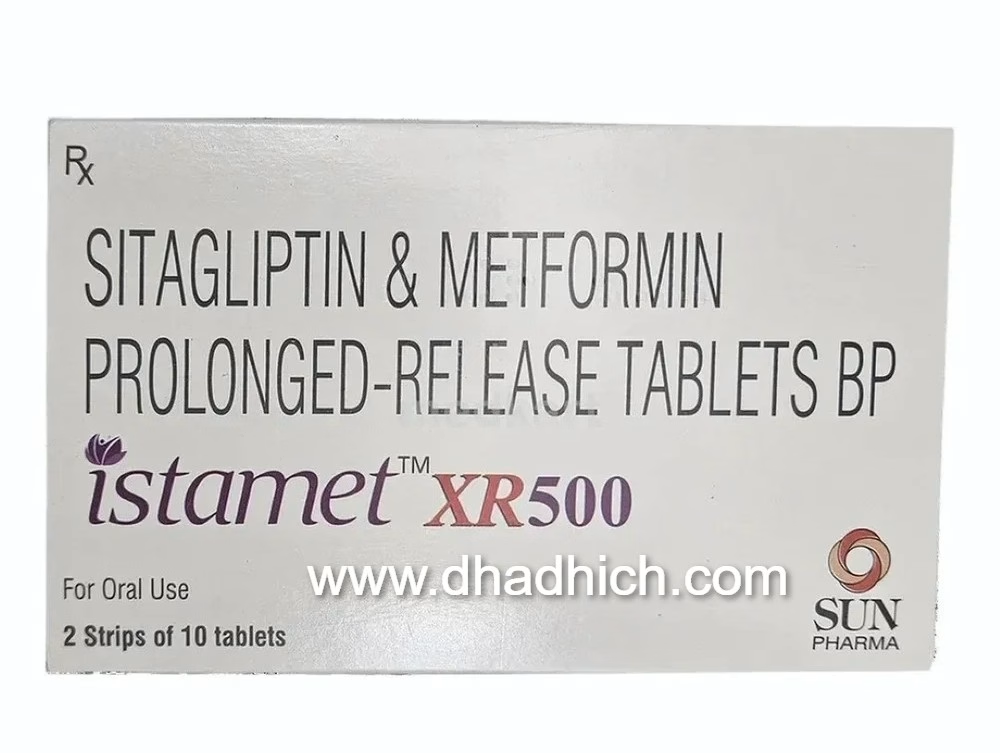
ANTI DIABETIC MEDICINES/ INJECTABLES
ISTAMET XR 500 MG
SUN PHARMACEUTICALS LTD
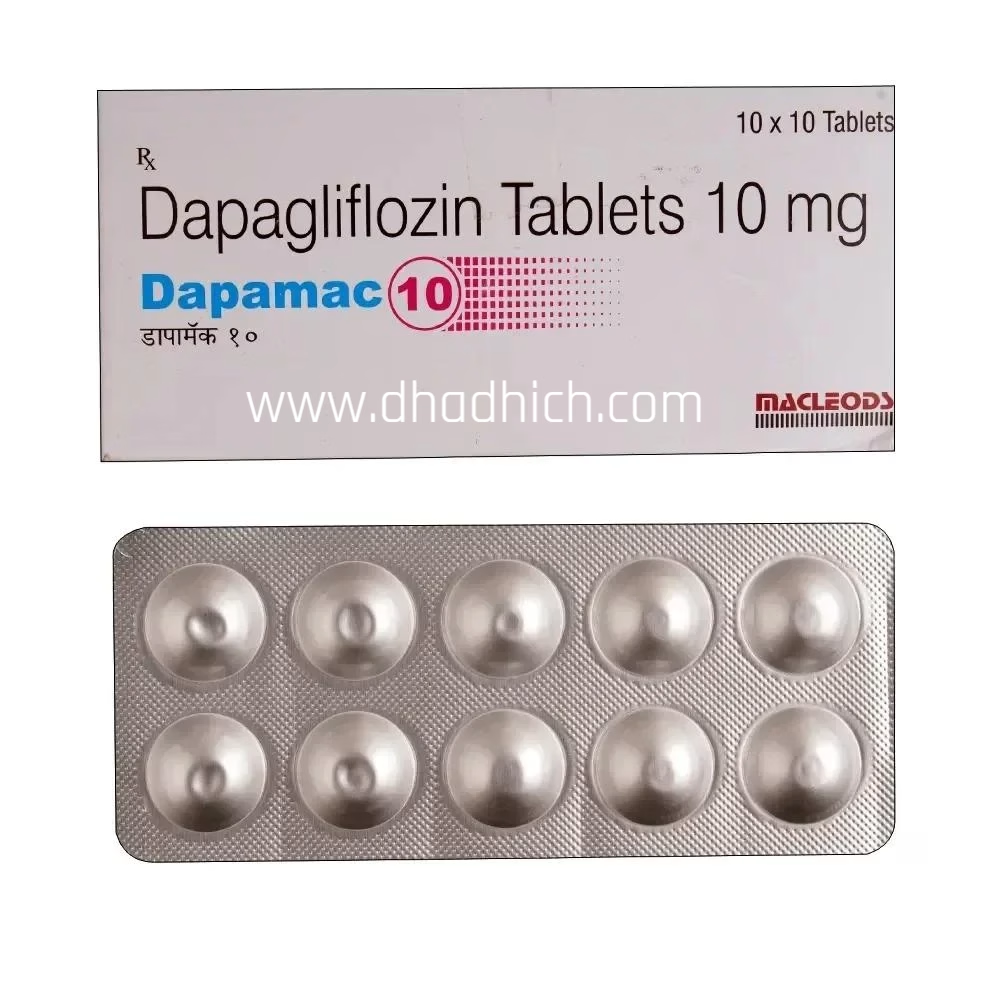
ANTI DIABETIC MEDICINES/ INJECTABLES
DAPAMAC 10MG
MACLEODS PHRMACEUTICALS PVT LTD
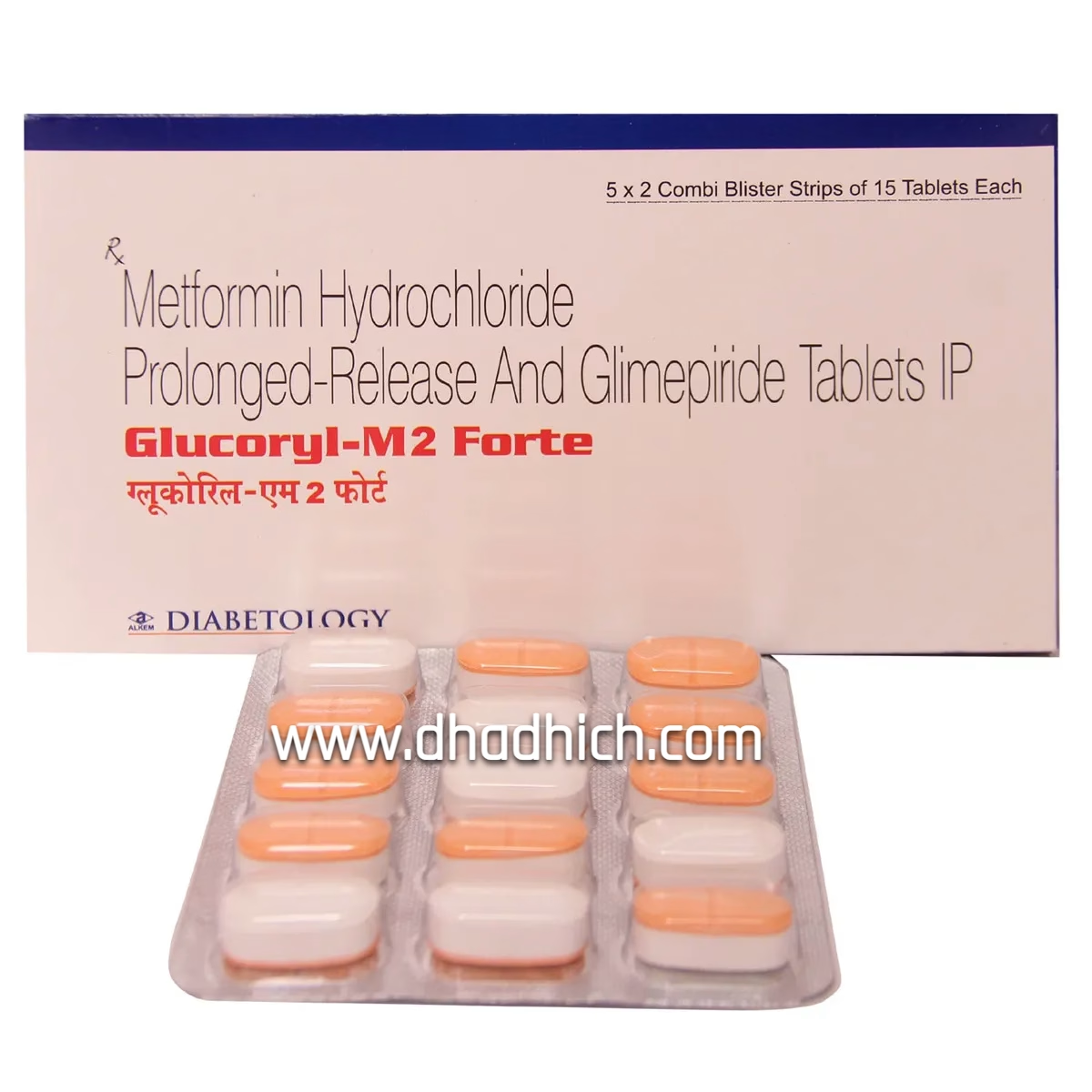
ANTI DIABETIC MEDICINES/ INJECTABLES
GLUCORYL M 2 TAB
ALKEM HEALTHCARE SCIENCES