AZICIP 500 MG
Product Description
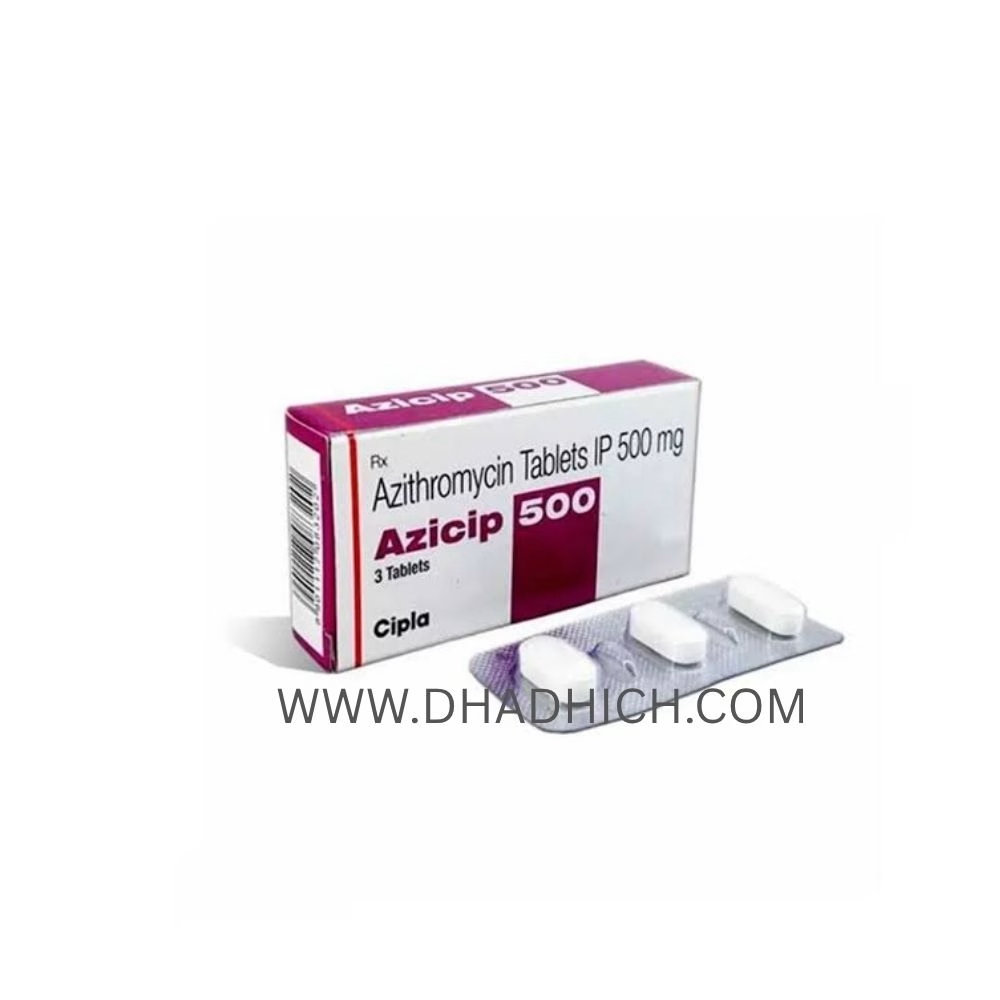
Azicip 500 mg Tablet contains Azithromycin 500 mg, a macrolide antibiotic used to treat certain bacterial infections. It works by stopping susceptible bacteria from producing proteins required for their growth and multiplication.
🔹 Key Uses
Treatment of certain bacterial respiratory tract infections
Treatment of certain throat and tonsil infections
Treatment of certain ear infections
Treatment of certain skin and soft tissue infections
Treatment of certain sexually transmitted bacterial infections when prescribed
Treatment of other susceptible bacterial infections diagnosed by a doctor
🔹 Composition
Active ingredient: Azithromycin 500 mg
Medicine class: Macrolide antibiotic
Dosage form: Oral tablet
🔹 How It Works
Azithromycin blocks bacterial protein production by binding to bacterial ribosomes. This prevents susceptible bacteria from growing and multiplying and helps the immune system clear the infection.
🔹 Key Benefits
Helps treat susceptible bacterial infections
Effective against several types of bacteria
Can be used for certain respiratory, throat, ear, and skin infections
Provides convenient oral antibiotic treatment
Remains active in the body for a relatively long period
🔹 Dosage and Administration
The dosage and treatment duration depend on the type and severity of the infection, age, body weight, and medical condition.
Take Azicip 500 mg exactly as prescribed by your doctor.
Swallow the tablet whole with water.
It can generally be taken with or without food.
Complete the prescribed course even if you start feeling better.
Do not take an extra dose to make up for a missed dose unless advised by your doctor.
🔹 Possible Side Effects
Some patients may experience:
Nausea
Vomiting
Diarrhea
Abdominal pain
Headache
Dizziness
Indigestion
Loss of appetite
Skin rash
Seek immediate medical attention if you develop severe diarrhea, difficulty breathing, swelling of the face or throat, severe skin reactions, fainting, or an unusual heartbeat.
🔹 Precautions and Warnings
Use Azicip 500 mg only when prescribed for a bacterial infection.
It does not treat viral infections such as the common cold or influenza.
Inform your doctor if you have liver disease or a history of heart rhythm problems.
Tell your doctor about all medicines, supplements, and herbal products you are taking.
Azithromycin can affect heart rhythm in susceptible patients and should be used carefully in people with certain heart conditions.
Do not stop the prescribed course without medical advice.
Seek medical attention if diarrhea becomes severe or persistent during or after treatment.
Additional Information
- Category: ANTIBIOTIC MEDICINES /INJECTABLES
- Manufacturer: Cipla Ltd
- Packaging: Tablet
- Composition: Azithromycin 500MG
- Storage: Store in a cool, dry place away from direct sunlight
- Shelf Life: As per manufacturer's guidelines
- Prescription Status: Over-the-Counter (OTC)
How to Use
Important: Always follow your healthcare provider's instructions when using this medication.
- Take this medicine as directed by your physician
- Do not exceed the recommended dosage
- Complete the full course of treatment even if symptoms improve
- Store the medication properly as per storage instructions
- Keep out of reach of children
- Check expiry date before use
Note: This is general guidance. For specific instructions, please consult your healthcare provider or refer to the package insert.
Related Products