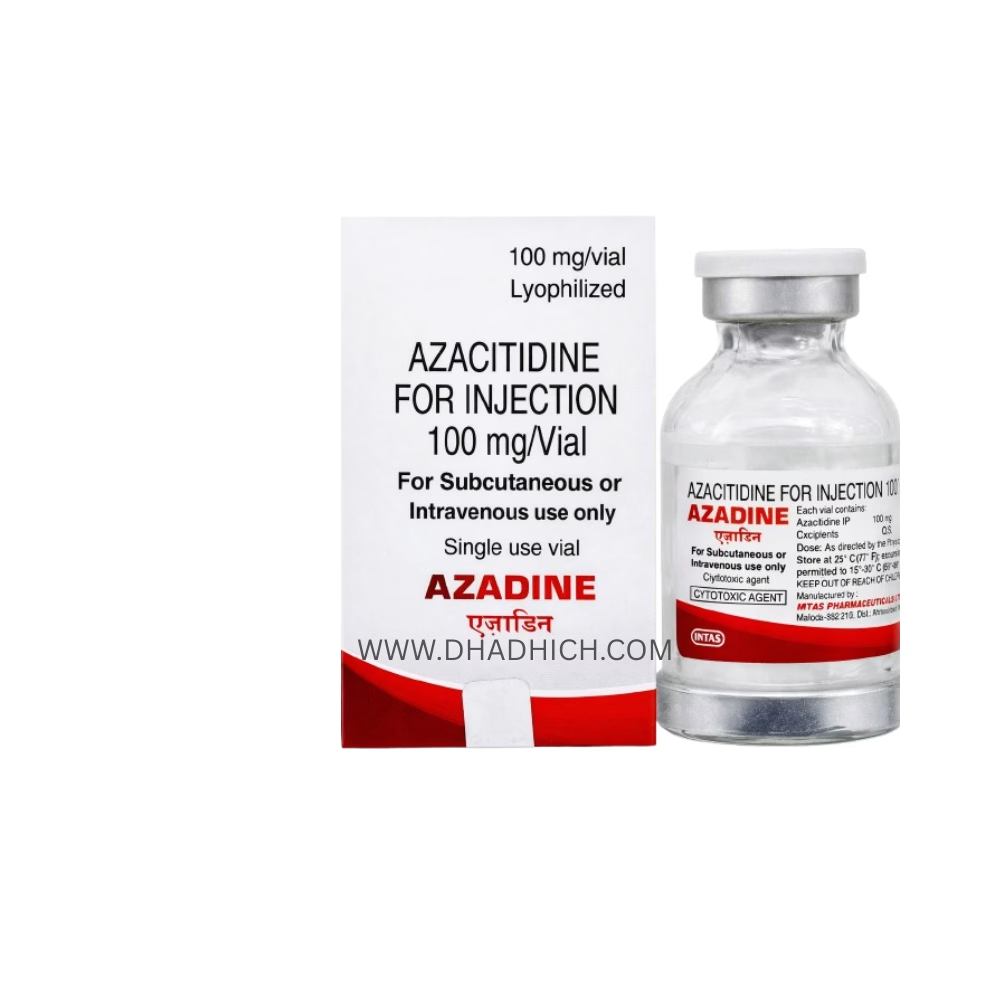
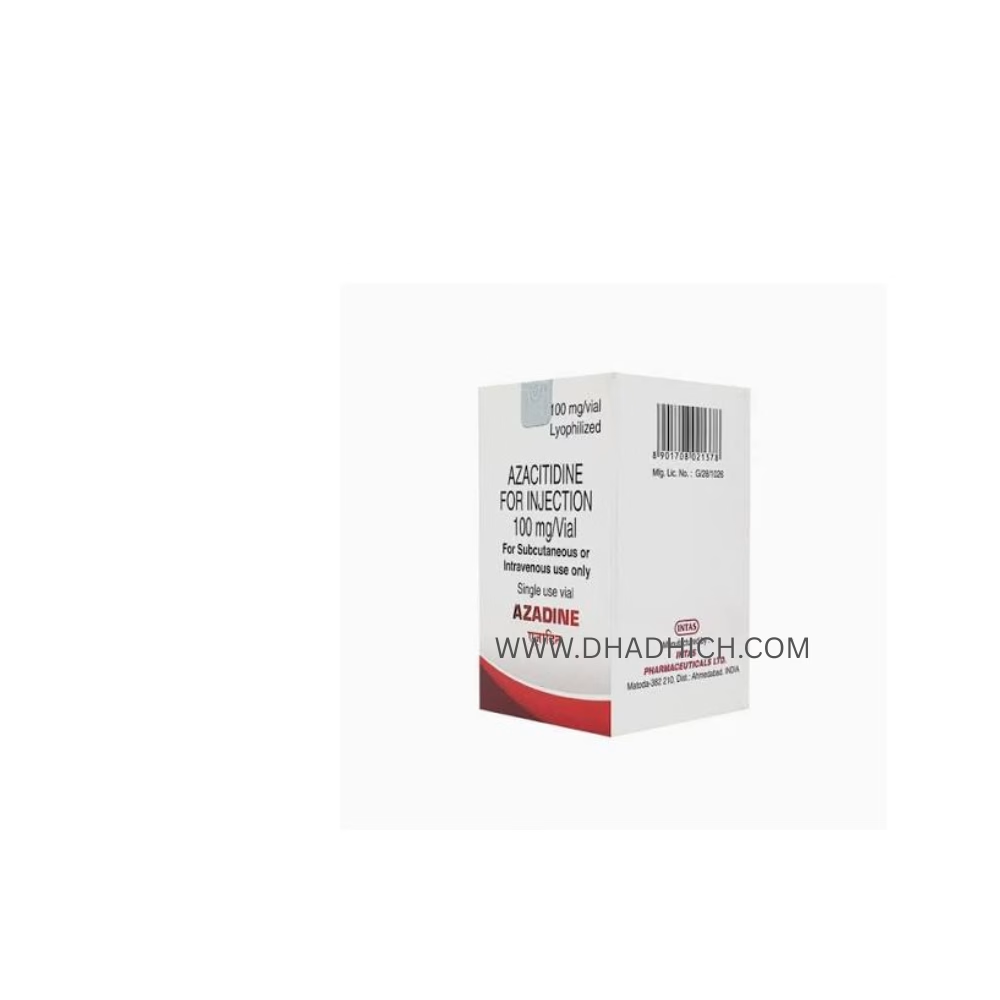
AZADINE 100 MG
Product Description
Azadine 100 mg contains Azacitidine 100 mg, a prescription anticancer medicine used mainly for the treatment of certain myelodysplastic syndromes, acute myeloid leukemia, and related blood disorders. It belongs to the class of hypomethylating agents and should be administered under the supervision of an experienced hematologist or oncology specialist.
🔹 Key Uses
Azacitidine may be used for:
Myelodysplastic syndromes
Acute myeloid leukemia in appropriate patients
Chronic myelomonocytic leukemia
Certain high-risk myelodysplastic conditions
Blood disorders where azacitidine is included in the prescribed treatment protocol
🔹 Composition
Active ingredient: Azacitidine 100 mg
Medicine class: Hypomethylating antineoplastic medicine
Dosage form: Powder for injectable suspension or solution, depending on the formulation
🔹 How It Works
Azacitidine interferes with abnormal DNA methylation and affects the growth and survival of abnormal blood-forming cells. It can help restore normal gene activity and reduce the growth of abnormal cells in certain blood cancers and bone marrow disorders.
🔹 Key Benefits
Helps control abnormal blood cell production
Helps slow the progression of certain blood cancers
Used as an important treatment option for myelodysplastic syndromes
May be used in selected patients with acute myeloid leukemia
Can improve blood counts and reduce disease-related complications in appropriate patients
🔹 Dosage and Administration
The dose and treatment schedule are determined by the hematologist or oncology specialist based on the patient's condition, blood counts, kidney function, liver function, and response to treatment.
Administered by trained healthcare professionals.
May be administered subcutaneously or intravenously depending on the prescribed formulation and treatment protocol.
Treatment is usually given in repeated cycles according to the oncology protocol.
Regular blood tests are required to monitor blood cell counts and organ function.
Do not self-administer or change the prescribed treatment schedule.
🔹 Possible Side Effects
Common side effects may include:
Tiredness and weakness
Nausea and vomiting
Constipation or diarrhea
Fever
Injection-site reactions
Loss of appetite
Low white blood cell count
Low red blood cell count
Low platelet count
Serious side effects can include severe reduction in blood cell counts, serious infections, bleeding, kidney problems, liver problems, and severe allergic reactions.
🔹 Precautions and Warnings
Use only under specialist hematology or oncology supervision.
Regular complete blood counts are important during treatment.
Inform your doctor about kidney or liver problems before starting treatment.
Patients with low blood cell counts may have an increased risk of infection and bleeding.
Tell your doctor about all medicines and supplements you are taking because drug interactions may occur.
Seek urgent medical attention for high fever, chills, unusual bleeding, severe weakness, difficulty breathing, or signs of serious infection.
Additional Information
- Category: category change
- Manufacturer: Intas Pharmaceuticals Ltd
- Packaging: Injection
- Composition: Azacitidine 100MG
- Storage: Store in a cool, dry place away from direct sunlight
- Shelf Life: As per manufacturer's guidelines
- Prescription Status: Over-the-Counter (OTC)
How to Use
Important: Always follow your healthcare provider's instructions when using this medication.
- Take this medicine as directed by your physician
- Do not exceed the recommended dosage
- Complete the full course of treatment even if symptoms improve
- Store the medication properly as per storage instructions
- Keep out of reach of children
- Check expiry date before use
Note: This is general guidance. For specific instructions, please consult your healthcare provider or refer to the package insert.
Related Products