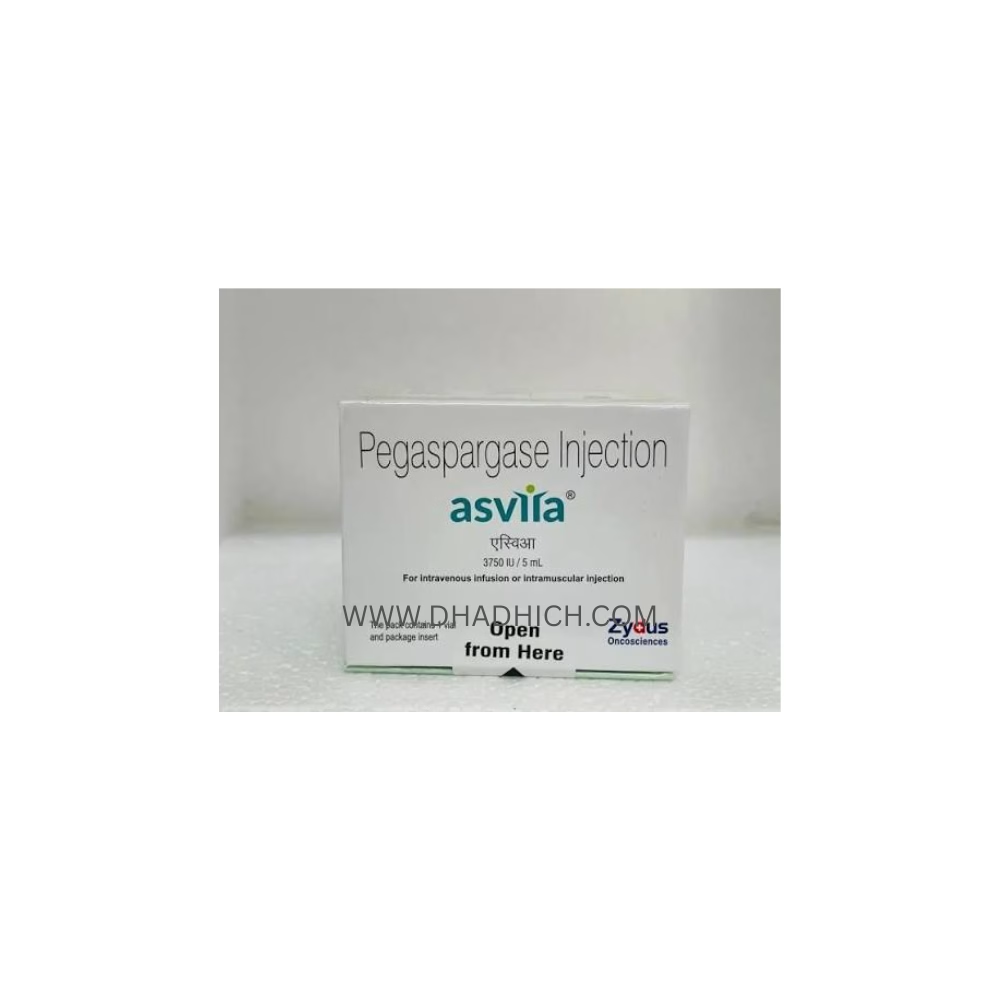
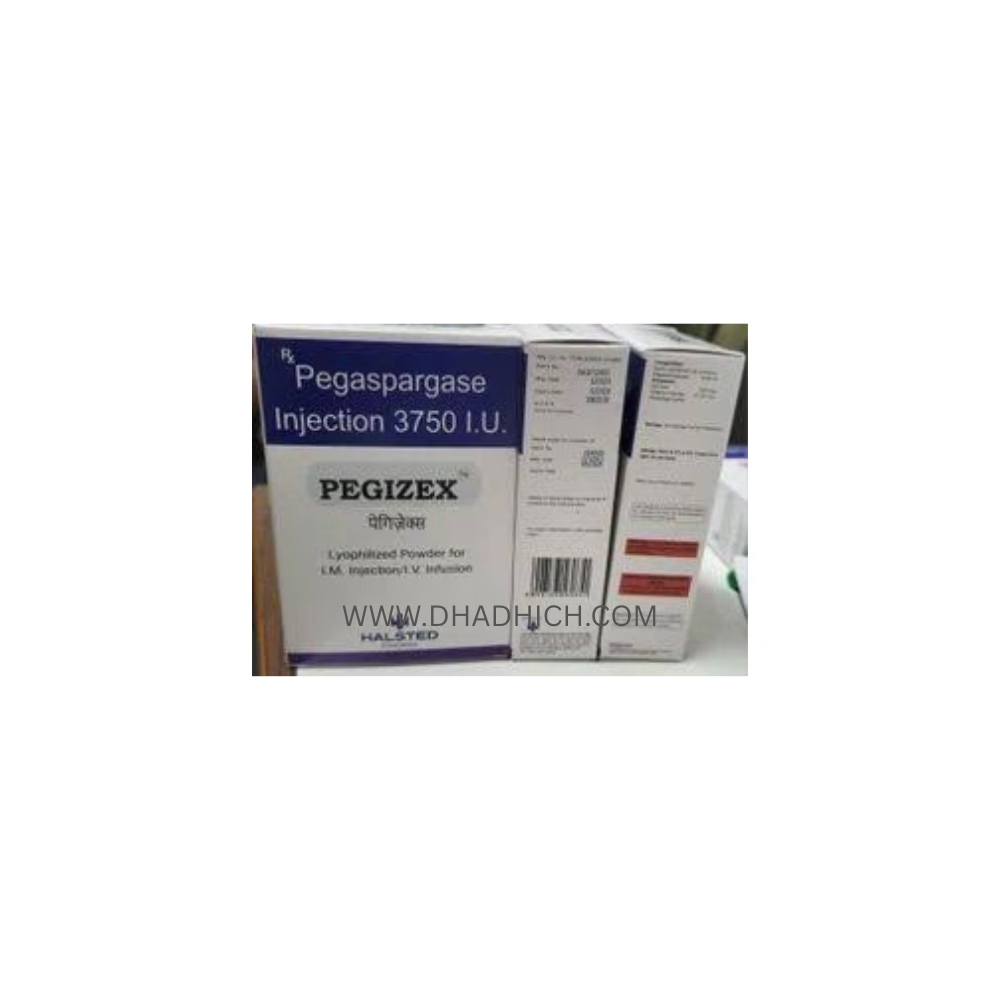
PEGASPARGASE 3750 IU
Product Description
Pegaspargase 3750 IU is a prescription anticancer medicine used as part of chemotherapy for acute lymphoblastic leukemia and certain related blood cancers. It is an enzyme-based anticancer medicine that helps reduce the availability of asparagine, an amino acid that certain leukemia cells need to survive and multiply. It should be administered under specialist oncology supervision.
🔹 Key Uses
Pegaspargase may be used for:
Acute lymphoblastic leukemia
Newly diagnosed acute lymphoblastic leukemia
Relapsed or refractory acute lymphoblastic leukemia as part of selected treatment protocols
Lymphoblastic lymphoma in certain chemotherapy regimens
Pediatric and adult leukemia treatment protocols when prescribed by an oncology specialist
🔹 Composition
Active ingredient: Pegaspargase 3750 International Units
Medicine class: Antineoplastic enzyme
Dosage form: Injectable solution
🔹 How It Works
Pegaspargase is a modified form of the enzyme L-asparaginase. It breaks down asparagine in the blood. Certain leukemia cells have limited ability to produce enough asparagine themselves, so reducing circulating asparagine can interfere with their protein production and lead to leukemia cell death.
🔹 Key Benefits
Helps reduce asparagine levels in the blood
Helps inhibit the growth and survival of susceptible leukemia cells
Used as an important component of combination chemotherapy for acute lymphoblastic leukemia
Provides prolonged asparagine depletion compared with conventional L-asparaginase
Can be incorporated into pediatric and adult oncology treatment protocols
🔹 Dosage and Administration
The dose and treatment schedule are determined by the oncology specialist based on the patient's age, body surface area or body weight, treatment protocol, blood counts, liver function, and overall health.
Administered by a trained healthcare professional.
May be given by intramuscular injection or intravenous infusion depending on the specific product and prescribed treatment protocol.
Blood counts, liver function, blood glucose, coagulation parameters, and pancreatic function may require regular monitoring.
Do not self-administer or change the prescribed treatment schedule.
🔹 Possible Side Effects
Common side effects may include:
Nausea and vomiting
Loss of appetite
Tiredness and weakness
Headache
Fever
Abdominal discomfort
Changes in blood sugar levels
Changes in liver function
Reduced blood cell counts
Serious side effects can include severe allergic reactions, pancreatitis, liver toxicity, blood clotting problems, bleeding, and severe high or low blood sugar.
🔹 Precautions and Warnings
Use only under specialist oncology supervision.
Inform your doctor about previous allergic reactions to pegaspargase, asparaginase, or similar medicines.
Patients with a history of pancreatitis, severe liver disease, blood clots, or serious bleeding problems require careful evaluation.
Regular monitoring of liver function, pancreatic enzymes, blood glucose, and blood clotting may be required.
Tell your doctor about all medicines and supplements you are taking because drug interactions may occur.
Seek urgent medical attention for severe abdominal pain, difficulty breathing, swelling of the face or throat, unusual bleeding, severe headache, confusion, or symptoms of a blood clot.
Additional Information
- Category: category change
- Manufacturer: GENERIC
- Packaging: Injection
- Composition: Pegaspargase 3750IU
- Storage: Store in a cool, dry place away from direct sunlight
- Shelf Life: As per manufacturer's guidelines
- Prescription Status: Over-the-Counter (OTC)
How to Use
Important: Always follow your healthcare provider's instructions when using this medication.
- Take this medicine as directed by your physician
- Do not exceed the recommended dosage
- Complete the full course of treatment even if symptoms improve
- Store the medication properly as per storage instructions
- Keep out of reach of children
- Check expiry date before use
Note: This is general guidance. For specific instructions, please consult your healthcare provider or refer to the package insert.
Related Products