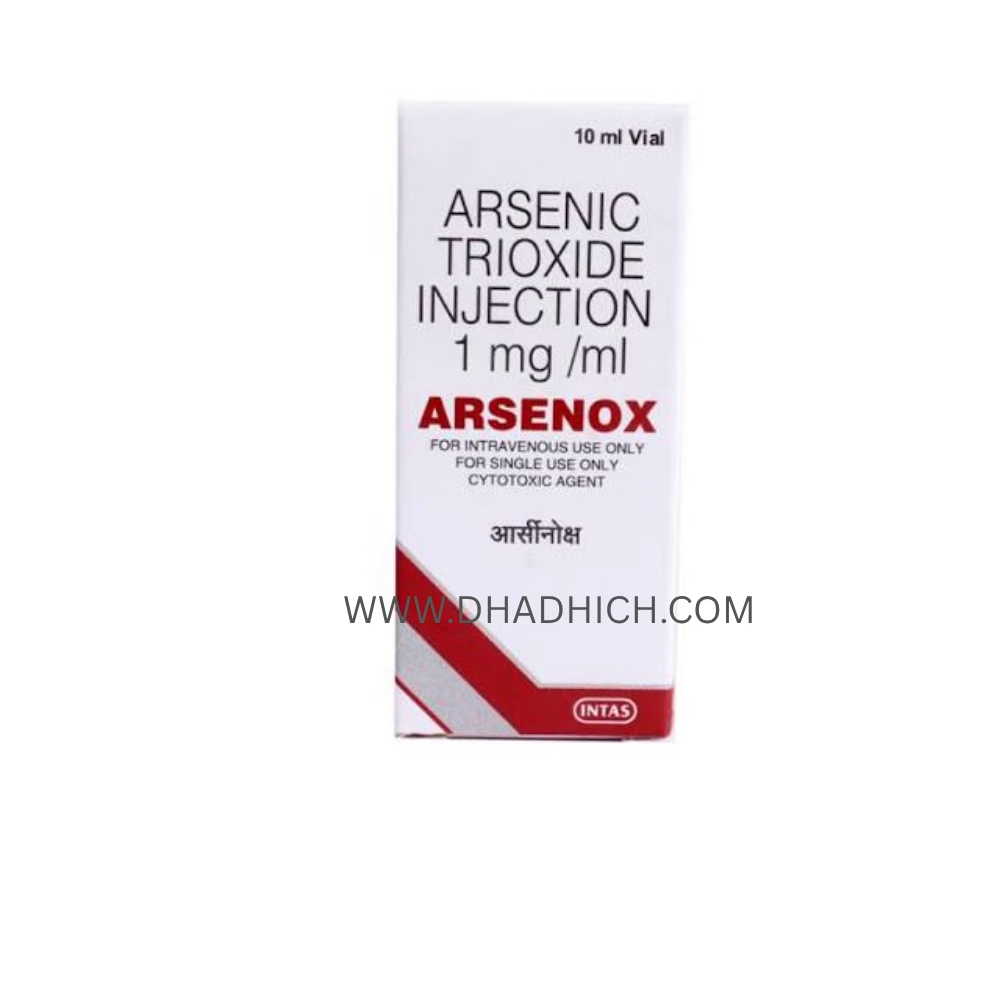
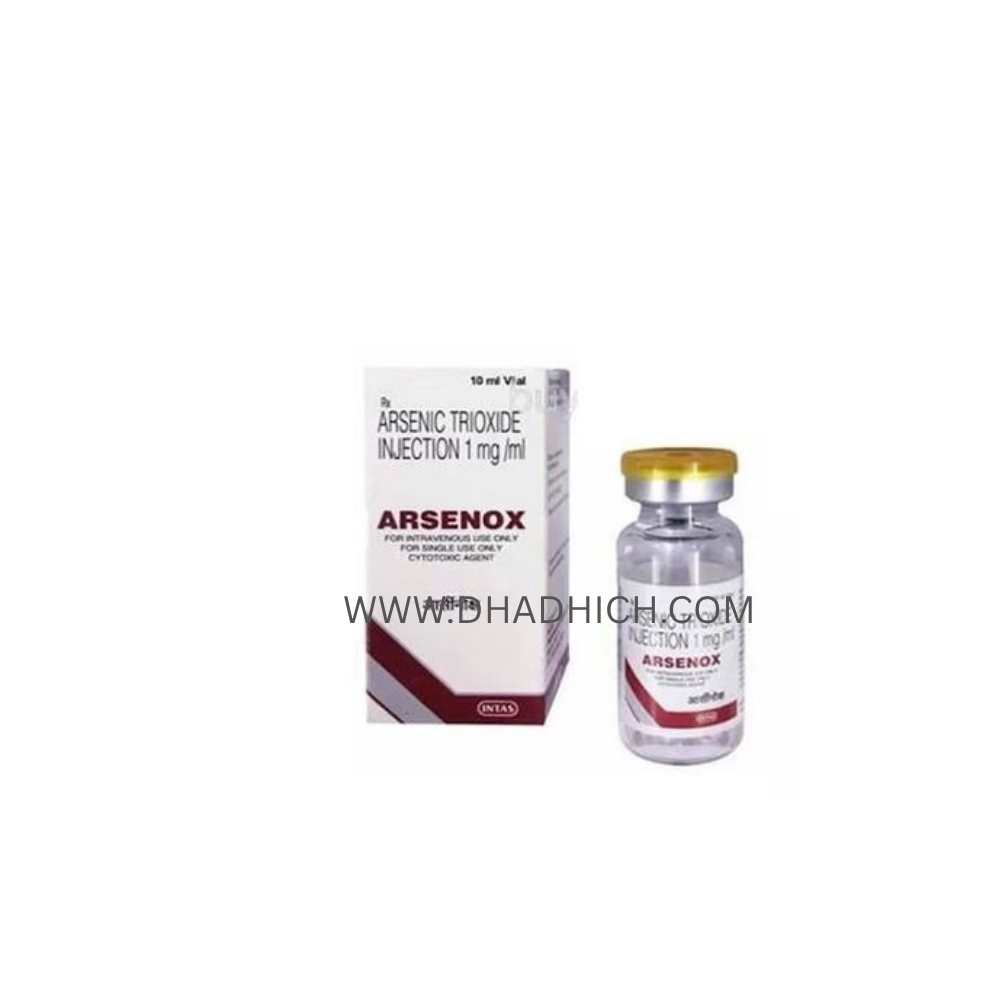
ARSENOX
Product Description
Arsenox is a prescription anticancer medicine containing Arsenic Trioxide. It is used in the treatment of a specific type of blood cancer called acute promyelocytic leukemia. Treatment should be given only under the supervision of an experienced oncology specialist because close medical monitoring is required.
🔹 Key Uses
Treatment of acute promyelocytic leukemia
Used in selected patients with newly diagnosed acute promyelocytic leukemia
Used in certain cases of relapsed or treatment resistant acute promyelocytic leukemia
Helps induce remission and control leukemia cells as part of an oncology treatment plan
🔹 Composition
Active ingredient: Arsenic Trioxide
Medicine class: Anticancer medicine
Dosage form: Intravenous injection
🔹 How It Works
Arsenic Trioxide acts on abnormal promyelocytic leukemia cells through several mechanisms. It promotes the maturation and programmed death of abnormal cancer cells and targets the abnormal proteins involved in acute promyelocytic leukemia. This helps reduce leukemia cells and supports remission.
🔹 Key Benefits
Effective treatment option for specific cases of acute promyelocytic leukemia
Helps target abnormal leukemia cells
Can help induce remission under specialist treatment
Used as part of carefully monitored cancer treatment
May be used in newly diagnosed or relapsed disease depending on the treatment protocol
🔹 Dosage and Administration
The dose and treatment schedule are determined by an oncology specialist based on body weight, treatment phase, medical condition, laboratory results, and response to therapy.
Arsenox should be administered only by trained healthcare professionals in an appropriate clinical setting.
It is given by intravenous infusion according to the prescribed treatment protocol.
Regular monitoring of blood tests, electrolytes, liver function, kidney function, and heart rhythm is required.
Do not change or interrupt treatment without guidance from the oncology team.
🔹 Possible Side Effects
Some patients may experience:
Tiredness
Headache
Nausea
Vomiting
Diarrhea
Abdominal discomfort
Fever
Swelling
Changes in blood cell counts
Changes in liver function tests
Changes in electrolyte levels
Serious side effects can include differentiation syndrome, heart rhythm abnormalities including QT interval prolongation, severe electrolyte disturbances, and serious infections.
🔹 Precautions and Warnings
Arsenox must be used only under the supervision of an experienced oncology specialist.
Regular heart rhythm and electrolyte monitoring is essential because Arsenic Trioxide can cause serious heart rhythm abnormalities.
Inform your doctor about any history of heart disease, abnormal heart rhythm, liver disease, kidney disease, or electrolyte imbalance.
Tell your doctor about all medicines because some medicines can increase the risk of QT interval prolongation.
Seek urgent medical attention for breathing difficulty, rapid weight gain, swelling, fever, chest discomfort, fainting, or severe weakness.
Pregnancy and breastfeeding precautions should be discussed with the oncology specialist because anticancer medicines may harm an unborn baby.
Additional Information
- Category: ANTI-CANCER /ONCOLOGY MEDICINES
- Manufacturer: Intas Pharmaceuticals Ltd
- Packaging: Injection
- Composition: Arsenic Trioxide 10MG
- Storage: Store in a cool, dry place away from direct sunlight
- Shelf Life: As per manufacturer's guidelines
- Prescription Status: Over-the-Counter (OTC)
How to Use
Important: Always follow your healthcare provider's instructions when using this medication.
- Take this medicine as directed by your physician
- Do not exceed the recommended dosage
- Complete the full course of treatment even if symptoms improve
- Store the medication properly as per storage instructions
- Keep out of reach of children
- Check expiry date before use
Note: This is general guidance. For specific instructions, please consult your healthcare provider or refer to the package insert.
Related Products